Your Ultimate Guide to Reliable Oilfield Equipment Rental Providers
Steering the landscape of oilfield equipment rentals calls for an important understanding of different aspects that can affect both operational efficiency and cost-effectiveness. From determining the ideal kinds of equipment to reviewing the reliability and integrity of rental companies, making informed decisions is important. Additionally, considerations around security requirements and conformity can not be ignored, as they play a crucial duty in ensuring both productivity and legal adherence. As we check out the vital aspects of successful rental experiences, it becomes apparent that calculated preparation and clear interaction are essential-- yet, there are considerable nuances that warrant closer assessment.
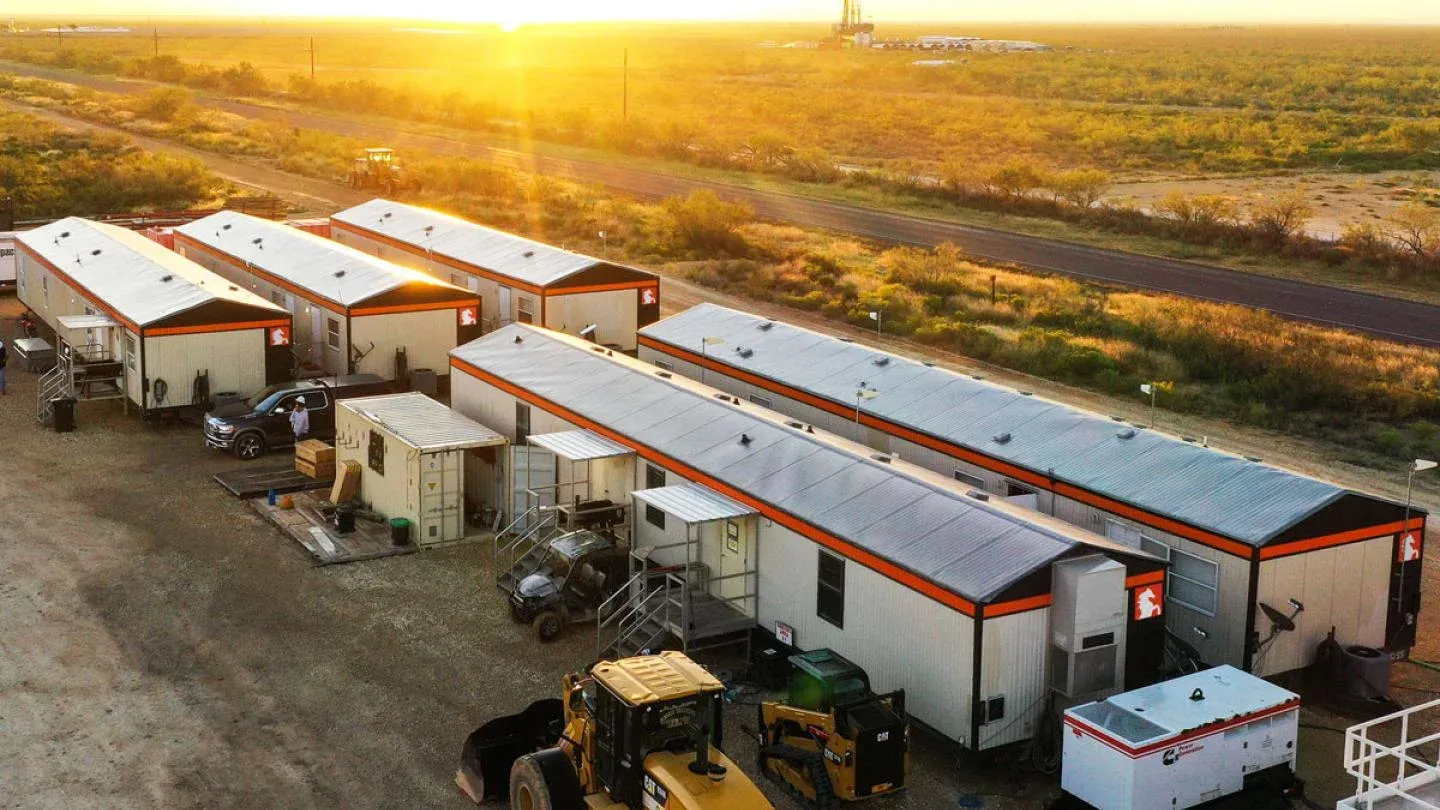
Comprehending Oilfield Equipment Rentals
Oilfield equipment rentals play a vital role in the energy field, giving firms with the needed tools and machinery to efficiently execute exploration and manufacturing operations. This sector is characterized by its vibrant nature, where the need for particular equipment can fluctuate substantially based upon project requirements and market conditions.
Renting out equipment enables companies to keep operational flexibility and price control, as they can access high-quality equipment without the concern of possession expenses, maintenance, or storage space. Frequently rented equipment consists of boring gears, mud pumps, compressors, and security equipment, each customized to fulfill the diverse demands of different tasks.
Furthermore, rental solutions usually include the advantage of technological assistance and maintenance, ensuring that the equipment continues to be in excellent working problem throughout the rental period. This support is essential in mitigating dangers connected with equipment failing, which can bring about costly downtime.
In addition, oilfield equipment rental companies generally supply a variety of alternatives, accommodating both temporary and long-lasting tasks. This flexibility is key for business aiming to scale procedures or react swiftly to altering market needs. On the whole, understanding oilfield equipment rentals is basic for enhancing operational effectiveness in the power field.
Trick Aspects to Consider
When assessing oilfield equipment rental solutions, a number of vital variables should be diligently thought about to protect suitable end results for tasks (Texas Oilfield Equipment Rental Excellence). First, examine the variety and quality of equipment available. A trusted rental service needs to supply properly maintained, industry-standard machinery that meets specific job demands
Next, review the rental business's credibility and reliability. Study client evaluations and testimonials to determine the level of service supplied, including prompt shipment and responsiveness to inquiries. In addition, think about the firm's experience in the market; seasoned carriers are commonly better outfitted to comprehend and meet one-of-a-kind client demands.
Cost is an additional essential aspect. While affordability is necessary, it should not come with the expense of high quality. Contrast quotes from different providers and establish that all possible surprise expenses are transparent.
Kinds Of Oilfield Equipment
A comprehensive understanding of the various sorts of equipment available for leasing is basic for optimizing oilfield operations. Oilfield equipment can be classified into a number of essential kinds, each offering a particular objective in the expedition, extraction, and transportation of hydrocarbons.
Boring equipment, such as drill rigs, mud pumps, and covering devices, is vital for the exploration stage. These machines assist in the creation of wells and ensure the honesty of wellbore structures. Professional Oilfield Rental Services. Completion equipment includes tools like wellheads, packers, and tubing, which are important for preparing a well for production
Production equipment encompasses separators, compressors, and storage containers, playing a vital duty in processing and storing drawn out oil and gas. Furthermore, transport equipment, consisting of pipes and vessels, is essential for the reliable movement of products to refineries.
Support equipment, such as generators, water treatment systems, and safety gear, is additionally essential for preserving operational efficiency and safety on-site. Comprehending these classifications and their functions helps in choosing the right equipment to meet specific operational demands, inevitably boosting performance and safety and security in oilfield tasks.
Reviewing Rental Business
Choosing the best rental firm for oilfield equipment is crucial to the success of operations, as it can straight influence effectiveness and costs. When evaluating possible rental business, several key factors need to be taken into consideration. First, evaluate the firm's online reputation within the sector. Seek customer testimonials, testimonies, and situation studies that highlight their integrity and service top quality.
Next, evaluate the array and condition of equipment supplied. A reliable rental firm ought to give well-kept, up-to-date equipment that satisfies safety and functional standards. Verify they have a diverse inventory that can fit varying job needs.
Furthermore, take into consideration the business's support solutions, including maintenance and technological support. A receptive support group can greatly minimize downtime during operations. Examine their distribution and pick-up logistics to confirm timely schedule of equipment.
Evaluate the rental terms and problems to confirm they straighten with your operational requirements. Clear agreements that lay out obligations, responsibilities, and solution assumptions are essential. By very carefully reviewing these factors, you can make an informed decision and choose a rental business that lines up with your functional objectives, inevitably enhancing the success of your oilfield projects.
Expense Considerations
Expense considerations play a crucial function in the decision-making process for oilfield equipment rentals. Business need to meticulously budget plan for rentals, ensuring they account for prospective covert charges that can occur. Furthermore, assessing the monetary ramifications of long-term versus short-term rentals is crucial for maximizing total expense.
Budgeting for Rentals
Reliable budgeting for oilfield equipment rentals calls for a detailed understanding of both direct and indirect prices connected with the equipment. Direct expenses include the rental charges for the equipment itself, which might differ based on the type, version, and period of the rental duration. Additionally, it is important to take right into account transport costs, as moving equipment to and from the work website can add substantial expenditures.
Indirect prices must likewise be factored into your budget. These might include maintenance costs, insurance policy, and any kind of needed training for workers operating the equipment. Furthermore, assess the potential prices associated with equipment downtime, which can occur from hold-ups in rental schedule or maintenance concerns.
To create an all-encompassing spending plan, gather thorough quotes from several rental provider to compare rates and services. Make certain to represent your task's particular needs, such as the sort of equipment required and the duration of usage. Establishing a backup fund can also be valuable, as it allows for unanticipated costs that might arise during the rental duration. By carefully examining these aspects, you can develop an efficient spending plan that maximizes your investment in oilfield equipment rentals.

Hidden Costs Awareness
While budgeting for oilfield equipment rentals, it is critical to remain attentive concerning potential covert costs that can significantly affect the total cost. Numerous rental business might not reveal all expenditures upfront, causing unanticipated financial concerns.
Typical surprise charges consist of distribution and pick-up costs, which can vary greatly based on the distance to the work website. In addition, equipment maintenance costs might be used if the equipment is returned in much less than ideal problem, also if the damages was marginal or unintended. Insurance costs are another aspect to assess; business commonly call for tenants to buy extra protection, which can pump up the total rental price.
Late return fines can gather promptly, so it is crucial to stick to the agreed-upon rental period. Ask regarding any management charges that might be included to your billing.
To prevent these risks, it is smart to completely assess the rental arrangement and request an in-depth break down of all potential prices. Texas Oilfield Equipment Rental Excellence. Transparent interaction with the rental supplier can help assure a clearer understanding of the overall economic commitment entailed in the rental procedure
Long-Term vs. Short-Term
When choosing in between long-term and temporary oilfield equipment rentals, it is essential to thoroughly review the financial ramifications related to each option. Temporary rentals generally deal with tasks with limited periods, giving flexibility and the capacity to swiftly adjust to changing functional demands. The expense per day is often higher, which can build up noticeably over time if the rental duration expands past initial projections.
In comparison, long-term rentals usually provide a more cost-effective option for tasks with extensive timelines. The day-to-day service prices are generally lower, and many carriers might supply added rewards or price cuts for long term dedications. This can result in considerable financial savings, especially for drivers expecting constant equipment usage over months or years.
Additionally, it is essential to element in maintenance and potential wear-and-tear costs. Long-term rentals typically include maintenance plans, whereas temporary rentals may require the lessee to bear these expenses individually. Eventually, the choice in between lasting and temporary rentals ought to align with project needs, budget plan constraints, and future functional strategies, making sure that funds are made use of successfully.
Security and Conformity Requirements
Security and compliance criteria are important elements in the oilfield equipment rental sector, ensuring that procedures meet regulatory demands and industry standards. This conversation will concentrate on the vital regulatory structures, the implementation of equipment safety and security procedures, and the importance of qualification and training standards for employees. Sticking to these standards not just secures workers however additionally improves functional effectiveness and decreases dangers.
Governing Demands Review
Compliance with regulative demands is essential for guaranteeing the safety and dependability of oilfield equipment rental solutions - Midland Pipeline Equipment Rental Authority. Various policies regulate the procedure and upkeep of equipment made use of in the oil and gas sector, consisting of those established forth by the Occupational Safety and Health Management (OSHA), the Epa (EPA), and state-specific regulatory bodies
These regulations mandate that rental companies stick to rigorous safety and security criteria, assuring that equipment is regularly inspected, kept, and licensed for use. Companies must additionally abide with ecological guidelines that deal with waste management, emissions, and spill avoidance, thus lessening their environmental impact.
Furthermore, operators should guarantee that all workers associated with the equipment handling are adequately trained and aware of safety procedures and emergency situation treatments. Documentation of conformity is important; preserving precise records can safeguard companies from lawful obligations and improve their credibility within the industry.
Equipment Safety Protocols
Making sure the proper application of equipment security protocols is necessary for keeping operational honesty in oilfield equipment rental services. These protocols function as a comprehensive structure designed to minimize risks related to equipment use, thereby advertising a secure work setting for personnel and making the most of equipment life expectancy.

Most importantly, it is imperative to establish clear safety and security guidelines that stick to industry requirements and regional regulations. This includes routine assessments and upkeep of rental equipment to identify prospective threats prior to they result in mishaps. Furthermore, the usage of suitable individual protective equipment (PPE) must be mandated for all employees included in equipment operation and handling.
It is important to implement strict treatments for equipment transport, setup, and operation. This encompasses correct lots protecting throughout transport, careful installation techniques, and adherence to functional limitations specified by producers.
Recording all safety and security methods and ensuring they are easily obtainable to all customers promotes a culture of safety and security understanding. Routine safety and security audits and comments loops can aid improve these procedures, guaranteeing continuous renovation and compliance with evolving security criteria. By focusing on equipment safety methods, oilfield equipment rental services can meaningfully reduce the chance of occurrences and promote a much safer operational landscape.
Accreditation and Training Criteria
Certification and training requirements play an essential duty in the oilfield equipment rental services sector, establishing a structure for risk-free and reliable operations. These requirements guarantee that workers are equipped with the needed skills and understanding to run complicated equipment and stick to security methods. Business have to follow both neighborhood and worldwide regulations, such as those set forth by the Occupational Safety And Security and Health And Wellness Management (OSHA) and the American Oil Institute (API)
Training programs must encompass a thorough curriculum that consists of equipment procedure, emergency action treatments, and hazard acknowledgment. Normal assessments and accreditations not only verify the expertise of the workforce but additionally enhance the overall security click here society within the sector.
Moreover, companies that prioritize accreditation and training criteria cultivate count on with customers, as they show a dedication to safety and security and conformity. This is specifically critical in high-risk environments like oilfields, where the consequences of carelessness can be devastating.
Inevitably, sticking to rigorous certification and training standards is not just a regulatory requirement; it is a necessary financial investment in the sustainability and track record of oilfield equipment rental solutions, assuring that procedures are carried out properly and efficiently.
Tips for a Successful Rental Experience
Maneuvering the globe of oilfield equipment rental solutions can be frightening, yet with the appropriate approach, you can guarantee a smooth and effective experience. Beginning by plainly defining your project requirements, consisting of the kind of equipment required, the duration of the service, and any kind of certain features vital for your procedures. This clearness will promote effective communication with rental companies.
Next, conduct thorough study on possible rental business. Look for sector credibility, customer testimonials, and their compliance with safety and security and certification requirements. A reputable rental solution will certainly not only provide top quality equipment but likewise offer assistance and guidance throughout the rental duration.
Prior to settling the rental agreement, validate you thoroughly comprehend the terms and conditions, consisting of upkeep obligations, insurance coverage, and any kind of potential concealed fees. An appropriate examination of the equipment prior to approval is important; validate that it is in great functioning condition and satisfies safety and security policies.
Last but not least, maintain open communication with the rental solution while making use of the equipment. Immediately resolve any worries or concerns that arise, validating you optimize your rental experience while decreasing operational disturbances. By adhering to these tips, you can browse the rental procedure with self-confidence and efficiency.
Frequently Asked Concerns
What Are the Normal Rental Durations for Oilfield Equipment?
Regular rental periods for oilfield equipment can vary considerably based on job demands and equipment kind. Usually, rental arrangements vary from temporary rentals, lasting a couple of days to numerous weeks, to lasting rentals, which can expand from several months to even years. The duration is frequently influenced by elements such as job range, budget plan restrictions, and equipment availability, making it vital for operators to evaluate their requirements thoroughly before completing rental agreements.
Can I Rent Equipment for Short-Term Projects?
Yes, it is indeed possible to rent out equipment for temporary jobs in the oilfield market. Numerous rental companies offer flexible leasing options that accommodate differing job durations, consisting of day-to-day, regular, or regular monthly rentals. This flexibility permits drivers to access the required equipment without the concern of long-term commitments, making certain that they can adjust to particular project requirements successfully and cost-effectively. Always verify the rental terms and availability with the service provider to meet task timelines.
Exactly How Is Equipment Upkeep Handled Throughout Rentals?
Equipment maintenance throughout rentals is usually the obligation of the rental business. Trusted firms assure that all equipment is regularly serviced and evaluated prior to rental to preserve peak efficiency and safety criteria. In the event of any kind of breakdowns during the rental period, the service provider usually uses assistance and replacement solutions to reduce downtime. Customers should examine maintenance policies and treatments detailed in the rental agreement to totally understand their duties and the company's responsibilities.
Are There Extra Costs for Delivery and Pick-Up?
When renting out equipment, added fees for shipment and pick-up are commonly come across. These costs vary depending upon variables such as distance, equipment size, and rental period. It is important to clear up these prices with the rental service provider ahead of time to stay clear of unexpected fees. Some business may supply comprehensive pricing that covers shipment and pick-up, while others might bill independently, making it crucial for customers to assess the rental agreement completely for openness.
What Takes Place if Equipment Breaks Down Throughout the Rental?
In the event of equipment break down during the rental period, the obligation commonly drops on the rental firm, depending on the regards to the arrangement. The majority of rental agreements consist of clauses that outline procedures for reporting issues, repair work timelines, and obligation. It is a good idea to immediately alert the rental provider to help with timely repair work or equipment replacements, making sure very little disturbance to procedures. Professional Oilfield Rental Services. Understanding these terms beforehand is important for efficient management of rental equipment
Comments on “Pipeline Equipment Rental Authority explained: everything you need to know”